
News
- Home
- Medical Imaging Cost Control with PerfectLum Display Calibration
Medical Imaging Cost Control with PerfectLum Display Calibration
- January 15, 2026
- Shamsul
Medical Imaging Cost Control with PerfectLum Display Calibration
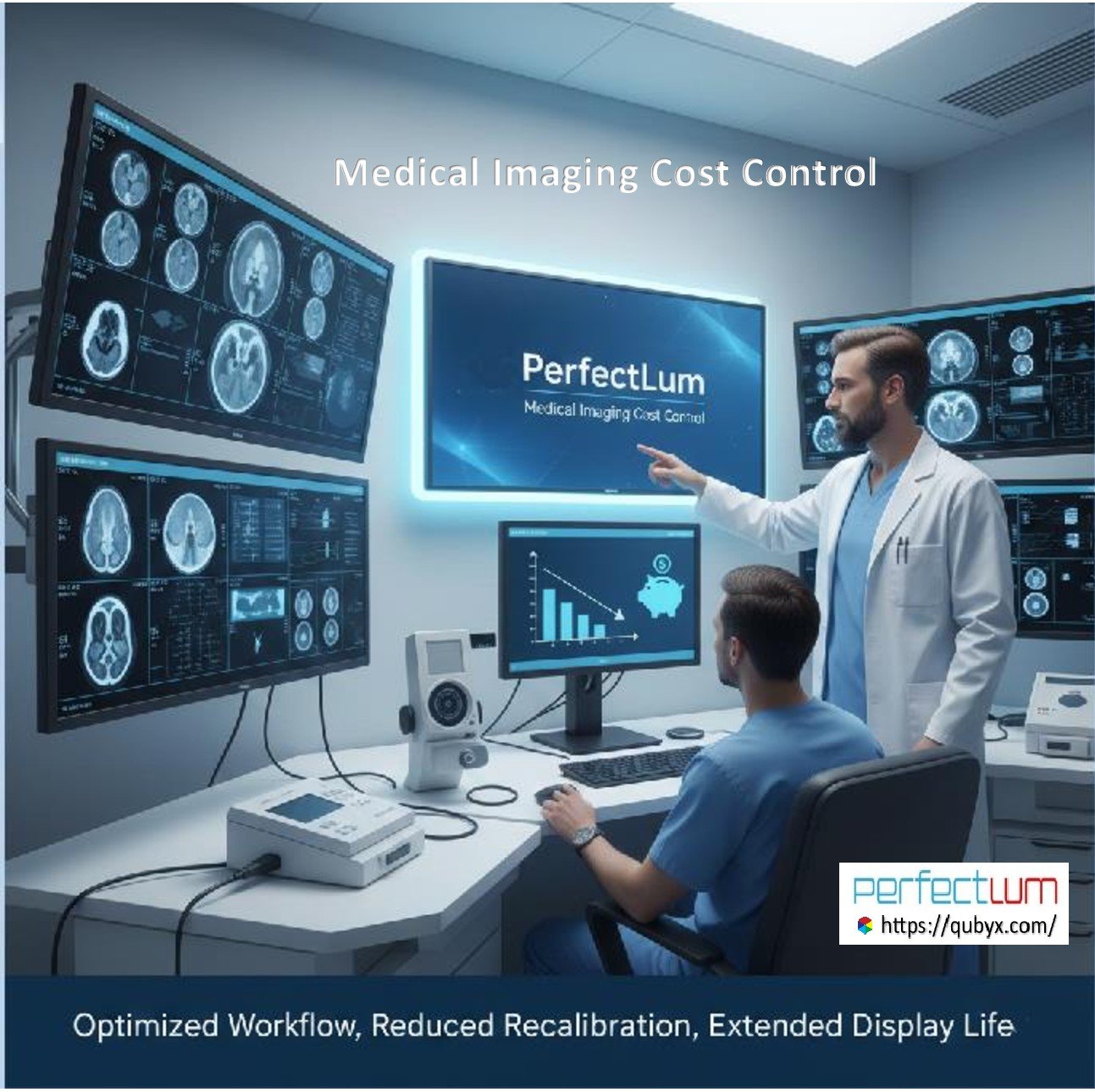
Healthcare providers face sustained pressure to reduce operating expenses without compromising diagnostic accuracy. A frequently overlooked lever is medical imaging cost control through display calibration. While capital equipment and staffing costs are often scrutinized, uncalibrated or poorly maintained diagnostic displays silently drive repeat imaging, reporting variability, and compliance risk. PerfectLum display calibration addresses this gap by standardizing visual performance across imaging environments, enabling measurable cost containment and quality assurance.
Why Display Calibration Matters to Medical Imaging Cost Control
Medical imaging workflows depend on visual fidelity. When displays drift from required luminance and grayscale standards, subtle pathology can be missed or misinterpreted. The downstream financial impact includes:
-
Repeat scans due to equivocal findings
-
Increased radiologist reading time
-
Quality assurance failures during audits
-
Elevated medico-legal exposure
Effective medical imaging cost control therefore requires consistent, standards-based display performance as a foundational control mechanism.
Understanding the Cost Drivers in Diagnostic Imaging
Before addressing solutions, it is important to identify where costs accumulate:
-
Repeat Examinations
Inconsistent display luminance or grayscale response leads to uncertainty, forcing repeat imaging. -
Operational Inefficiency
Radiologists compensate for poor image presentation by adjusting windowing or re-reviewing studies. -
Compliance and Accreditation Risk
Non-compliance with DICOM Part 14 GSDF standards can jeopardize accreditation and trigger corrective actions. -
Teleradiology Variability
Distributed reading environments amplify inconsistencies, undermining both quality and cost predictability.
Each of these factors directly undermines medical imaging cost control objectives.
How PerfectLum Display Calibration Supports Cost Containment
PerfectLum is engineered to ensure display systems remain aligned with DICOM GSDF requirements throughout their lifecycle. Its role in medical imaging cost control can be summarized across four dimensions.
1. Reduction in Repeat Imaging
Calibrated displays present consistent grayscale contrast, improving first-pass diagnostic confidence. This reduces unnecessary repeat scans, lowering consumable usage, scanner wear, and patient throughput delays.
2. Predictable Quality Across Modalities
PerfectLum maintains uniform display performance for CT, MRI, mammography, and general radiography workstations. Standardization minimizes interpretive variability and supports scalable cost control across departments.
3. Automation of Quality Assurance
Manual QA processes consume technical staff time and are prone to inconsistency. PerfectLum automates calibration, verification, and reporting, lowering labor costs while strengthening audit readiness.
4. Extended Display Lifespan
By monitoring luminance degradation and compensating through calibration, displays remain clinically usable for longer periods. This defers capital replacement and contributes directly to long-term medical imaging cost control.
Financial Impact in Teleradiology Environments
Teleradiology magnifies cost risk because readings occur across diverse hardware and ambient conditions. PerfectLum enforces a consistent visual standard regardless of location, delivering:
-
Reduced discrepancy rates between on-site and remote reads
-
Lower re-read and arbitration costs
-
Predictable service-level performance for outsourced imaging
In distributed models, this consistency is essential for sustainable medical imaging cost control.
Compliance as a Cost Control Strategy
Regulatory compliance is often framed as an obligation, but it also functions as a cost-avoidance strategy. PerfectLum provides documented evidence of DICOM GSDF compliance, supporting:
-
Accreditation audits without emergency remediation
-
Reduced legal exposure from display-related diagnostic errors
-
Lower insurance and risk-management overheads
Compliance, when automated, becomes an asset rather than an expense.
Strategic Value for Hospital Administrators
For clinical leaders and finance teams, medical imaging cost control requires solutions that are both measurable and defensible. PerfectLum aligns technical performance with financial governance by:
-
Converting display calibration into a predictable operational process
-
Producing audit-ready reports for compliance and procurement reviews
-
Enabling data-driven decisions on display replacement cycles
This alignment bridges the gap between clinical quality and financial stewardship.
Conclusion
Medical imaging costs cannot be sustainably reduced by focusing solely on scanners, staffing, or volume controls. Display calibration is a critical, often underestimated lever. By standardizing visual performance, reducing repeat imaging, automating QA, and supporting compliance, PerfectLum display calibration delivers tangible medical imaging cost control without compromising diagnostic integrity.
For organizations seeking disciplined cost containment while safeguarding clinical outcomes, display calibration is no longer optional—it is a strategic necessity.
Start the conversation with our calibration experts today.
In a world where every Pixel accuracy matters, PerfectLum by QUBYX proves that innovation can deliver clinical precision without financial compromise. It’s not just calibration—it’s the democratization of diagnostic imaging.
To secure Medical Display Quality Assurance with precision while reducing the recurring costs of proprietary hardware, the answer is clear: transition to a Calibration Software platform with QUBYX OS Tools (Free) and PerfectLum today. Now, you easily pay less for Radiology.
Tags:
medical imaging cost control, PerfectLum display calibration, DICOM GSDF compliance, radiology cost reduction, teleradiology quality assurance, medical display calibration software, diagnostic imaging efficiency, QUBYX, PerfectLum,
Related Posts


- January 16, 2026
- News
How to Standardize Diagnostic Displays Across Global Teleradiology Networks with
- January 16, 2026
- News
How QUBYX LLC Is Advancing Medical Display Calibration Software
- January 15, 2026
- News
Medical Imaging Cost Control with PerfectLum Display Calibration Healthcare