Calibration vs. Quality Assurance for Medical Displays: What’s the Difference and Why It Matters
Calibration and quality assurance often get lumped together, but they serve very different roles in medical display management. Calibration focuses on achieving precise GSDF and DICOM standards to ensure your images are accurate from the start. Quality assurance keeps that accuracy intact over time through regular testing and documentation. Understanding how these processes differ—and how PerfectLum 4 combines them—can sharpen your diagnostic confidence and simplify compliance across your display fleet. For more information, you can explore this guide on calibration and quality control differences.
Understanding Calibration and QA
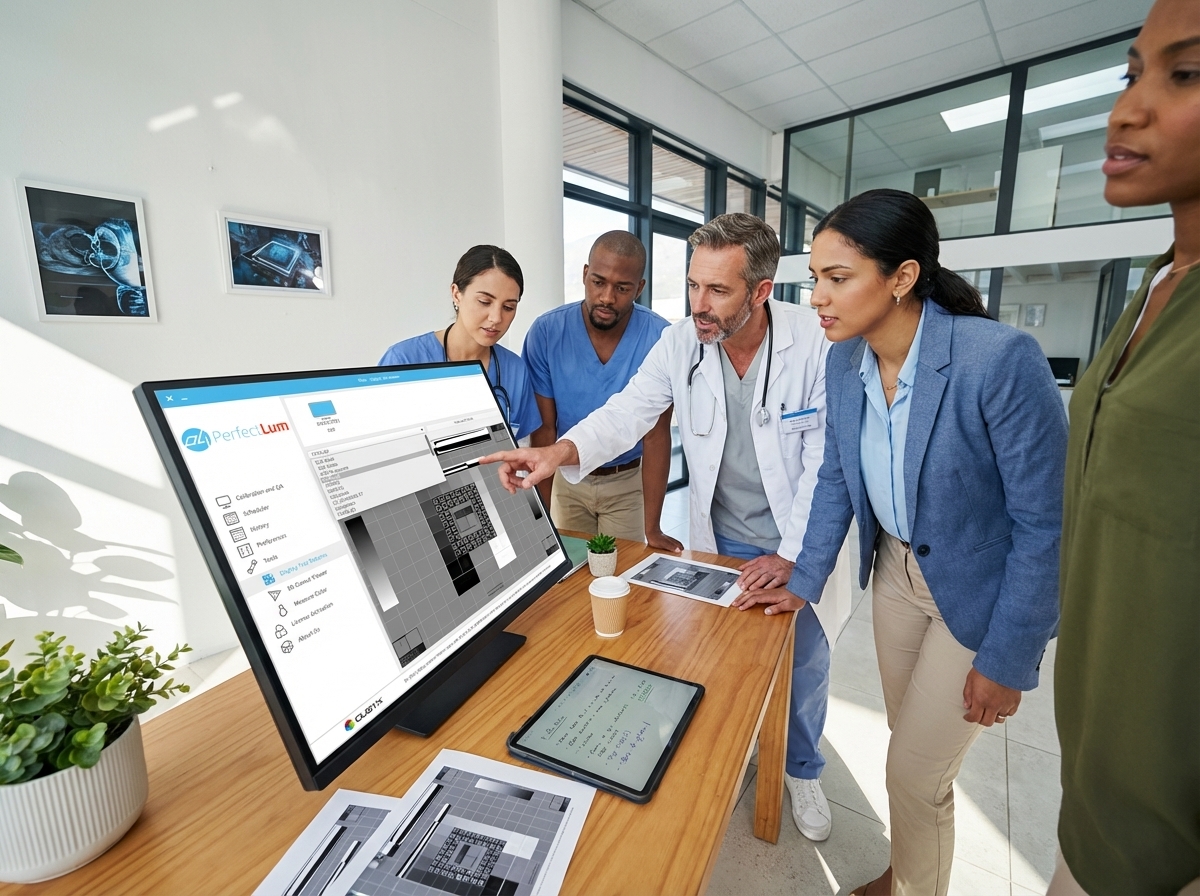
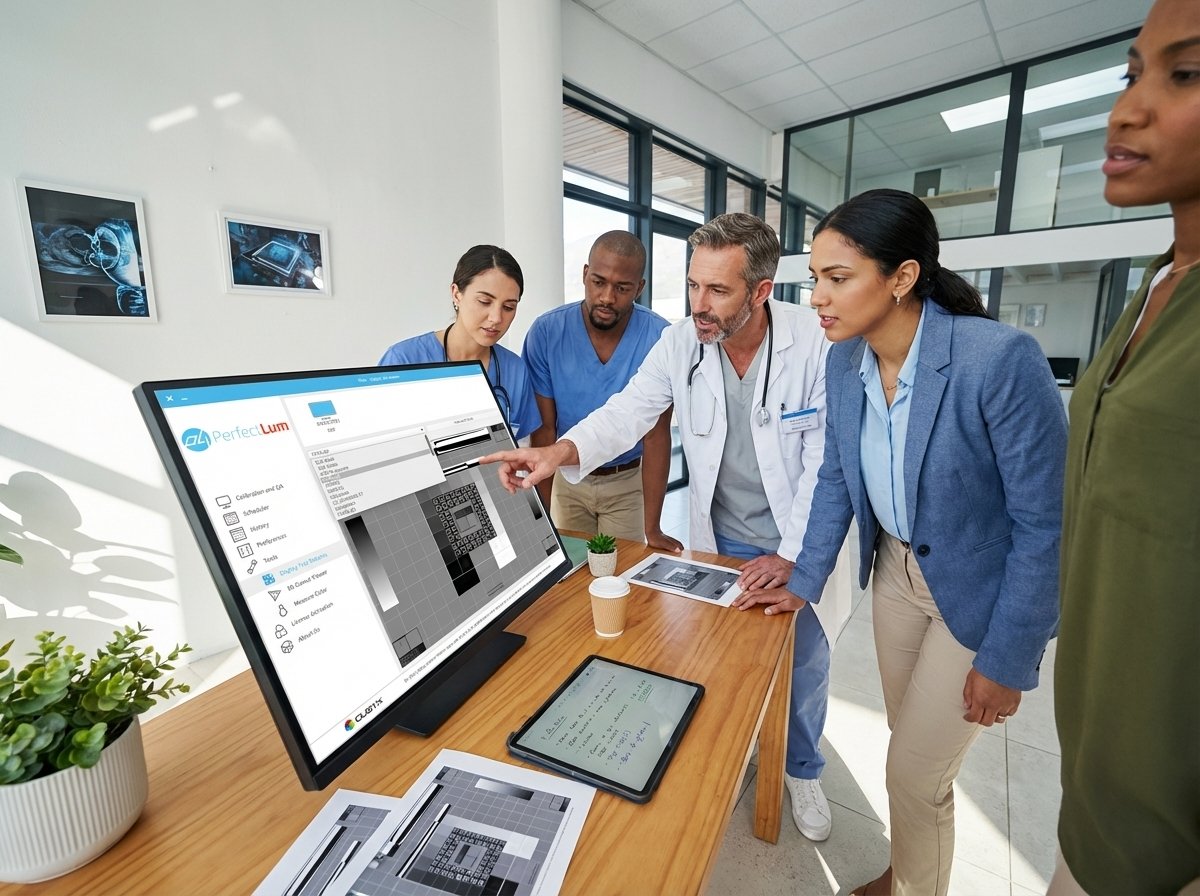
Differentiating between calibration and quality assurance is crucial in medical display management. These two processes serve distinct roles that complement each other.
Role of DICOM Calibration
DICOM calibration ensures that your medical display meets the required standards for accurate image interpretation. By adjusting your display to comply with DICOM standards, you guarantee that radiologists and medical professionals see images as intended. This calibration process involves fine-tuning the luminance response and color accuracy. With DICOM calibration, you gain the confidence that the display’s performance aligns with diagnostic needs. This is essential for making accurate assessments and delivering quality patient care.
Importance of GSDF Compliance
GSDF, or Grayscale Standard Display Function, compliance ensures that grayscale images on your display maintain consistent brightness levels. This standard is vital in medical imaging, where subtle differences in grayscale can impact diagnosis. Compliance with GSDF means your display shows images clearly and accurately. It provides a standardized approach to how grayscales should appear, ensuring that diagnostic images retain their intended contrast and detail. This consistency is crucial across different workstations and facilities to maintain high diagnostic standards.
Differences in Medical Display QA
Medical display quality assurance (QA) involves ongoing verification and documentation to maintain display accuracy over time. Unlike calibration, which sets the display standards initially, QA ensures these standards are consistently met. QA includes regular testing and generating documentation to prove compliance with medical imaging standards like AAPM TG18 or DIN 6868-157. By implementing robust QA processes, healthcare facilities can reduce the risk of diagnostic errors. Learn more about the importance of these processes.
PerfectLum 4 for Comprehensive Solutions
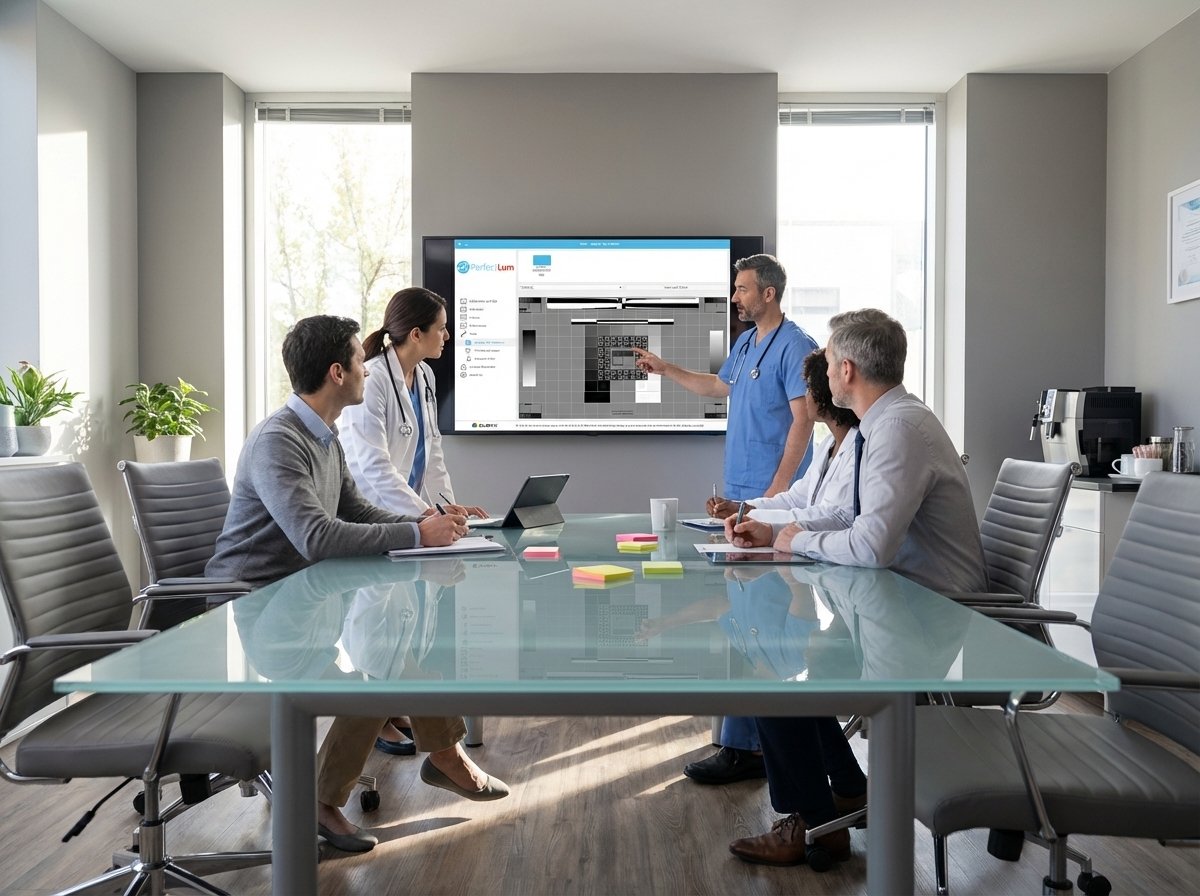
PerfectLum 4 unites both calibration and quality assurance, providing a seamless solution for managing medical displays. Let’s delve into its key features.
Automated Calibration and Testing
PerfectLum 4 offers automated calibration and testing to simplify compliance. This feature minimizes manual intervention, allowing you to focus on patient care instead. Scheduled calibrations and tests ensure that your displays continuously meet DICOM and GSDF standards. Automated processes also help in maintaining constancy, so your displays deliver consistent performance with minimal downtime. With PerfectLum 4, you can trust that your displays are always ready for critical diagnostic tasks.
Remote QA Management Capabilities
With remote QA management, PerfectLum 4 allows centralized oversight of all displays. This feature is particularly valuable for facilities with multiple workstations spread across different locations. From a single interface, administrators can schedule tests, monitor compliance, and review reports for all connected displays. This not only saves time but also ensures consistent quality across the board. Remote QA management helps streamline operations and ensures that all displays adhere to the required standards without the need for physical checks.
Cross-Platform Calibration Features
PerfectLum 4 supports both Mac and Windows systems, making it versatile for various setups. This cross-platform compatibility ensures that no matter your existing infrastructure, PerfectLum 4 can integrate smoothly. Whether you use Mac or Windows, you can achieve the same high level of calibration and quality assurance. This flexibility is vital for facilities with diverse technological environments. It guarantees that every display, regardless of its operating system, meets the stringent requirements needed for medical imaging.
Benefits of a Unified Approach
Bringing calibration and QA together offers numerous advantages for healthcare facilities.
Reducing Risk and Streamlining Audits
By combining calibration and QA, you reduce the risk of errors in diagnostic imaging. Automated processes ensure continuous compliance, minimizing the chances of human error. This integration also streamlines audits, as all necessary compliance documentation is readily available. Auditors can quickly verify that your displays meet industry standards, reducing the time and stress associated with audit preparation.
Enhancing Diagnostic Confidence
Unified calibration and QA systems like PerfectLum 4 enhance diagnostic confidence. Consistent display performance means that radiologists can trust the images they interpret. This reliability is crucial in making accurate diagnoses and providing the best patient outcomes. With PerfectLum 4, you ensure that your displays are always at their best, supporting the high standards of medical imaging.
Request a Demo and Evaluation License
Understanding the value of PerfectLum 4 is best achieved by seeing it in action. Requesting a demo and evaluation license allows you to experience firsthand how it can improve your display management. Explore its features, test its capabilities, and see how it can integrate into your existing workflow. PerfectLum 4 is designed to empower healthcare professionals with reliable, efficient solutions for calibration and quality assurance.
For further insights into the benefits of integrating these processes, you can visit this Facebook group discussion, where professionals share their experiences and tips.