CIE L* calibration is reshaping how medical displays deliver consistent image quality across different devices. If your diagnostic imaging relies on subtle grayscale and color shifts, you know uneven luminance can lead to missed details and reduced confidence. This post explains how integrating CIE L* luminance mapping alongside DICOM GSDF sharpens perceptual uniformity—and how PerfectLum 4 puts these standards into practice for fleet-wide quality assurance you can trust.
Enhancing Diagnostic Imaging
When it comes to diagnostic imaging, precision is key. Ensuring your displays meet the highest standards can make all the difference. Let’s explore how CIE L* calibration transforms your imaging capabilities.
Understanding CIE L* Calibration
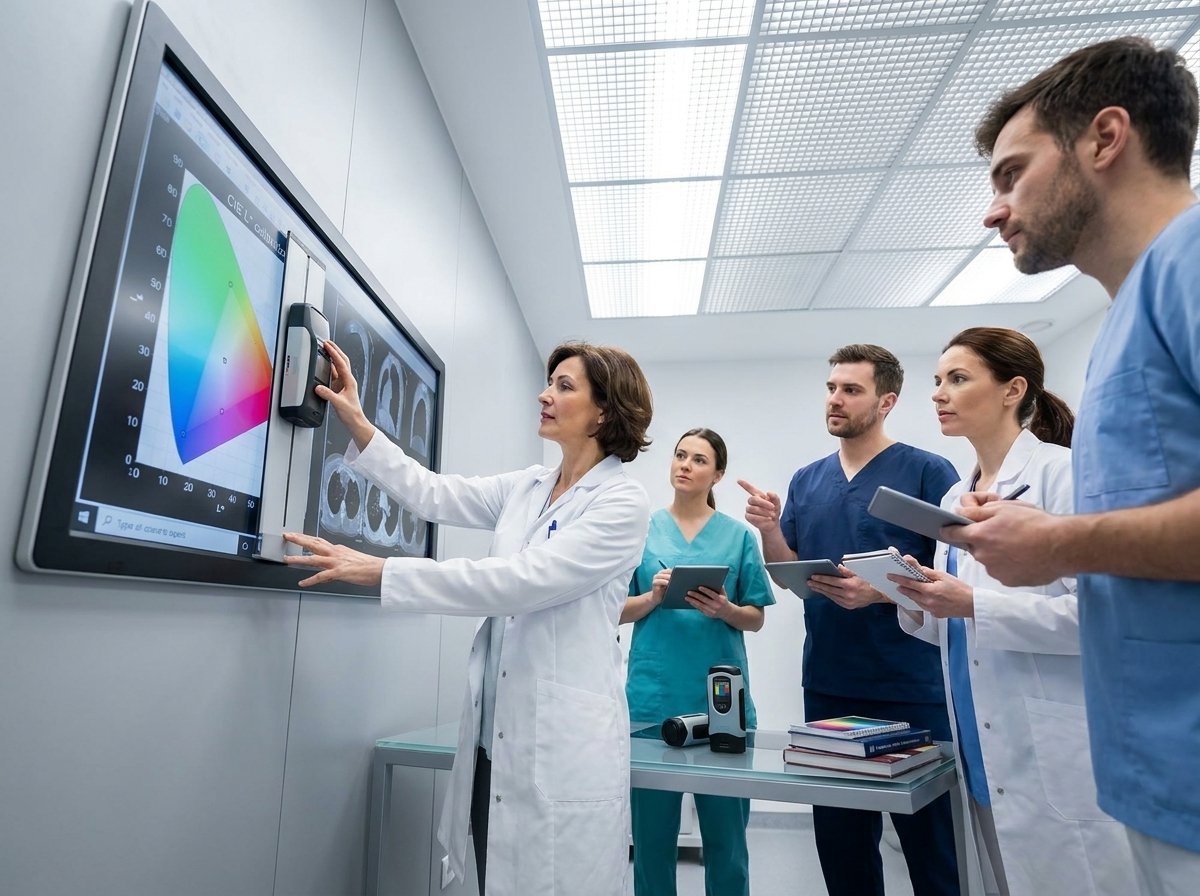
CIE L* calibration fine-tunes your displays to show images more accurately. By adjusting luminance, it helps you see subtle differences in shades. Imagine catching the tiniest detail that could change a diagnosis.
-
CIE L Calibration:* Balances light and dark areas for more precise images.
-
Key Benefit: Reduces the risk of missing subtle details in imaging.
This method ensures your display shows images just as intended. Check out how to do it right for more on this process.
Perceptual Uniformity’s Role
So, why does perceptual uniformity matter? It’s about consistency. Uniform displays give you confidence in what you see, no matter the device.
-
Perceptual Uniformity: Ensures images look the same across all displays.
-
Impact: Increases trust in diagnostic outcomes.
Inconsistent displays can lead to varying interpretations. By maintaining uniformity, you ensure every image tells the same story. See what experts like AAPM say about display standards.
Integrating CIE L* and DICOM GSDF
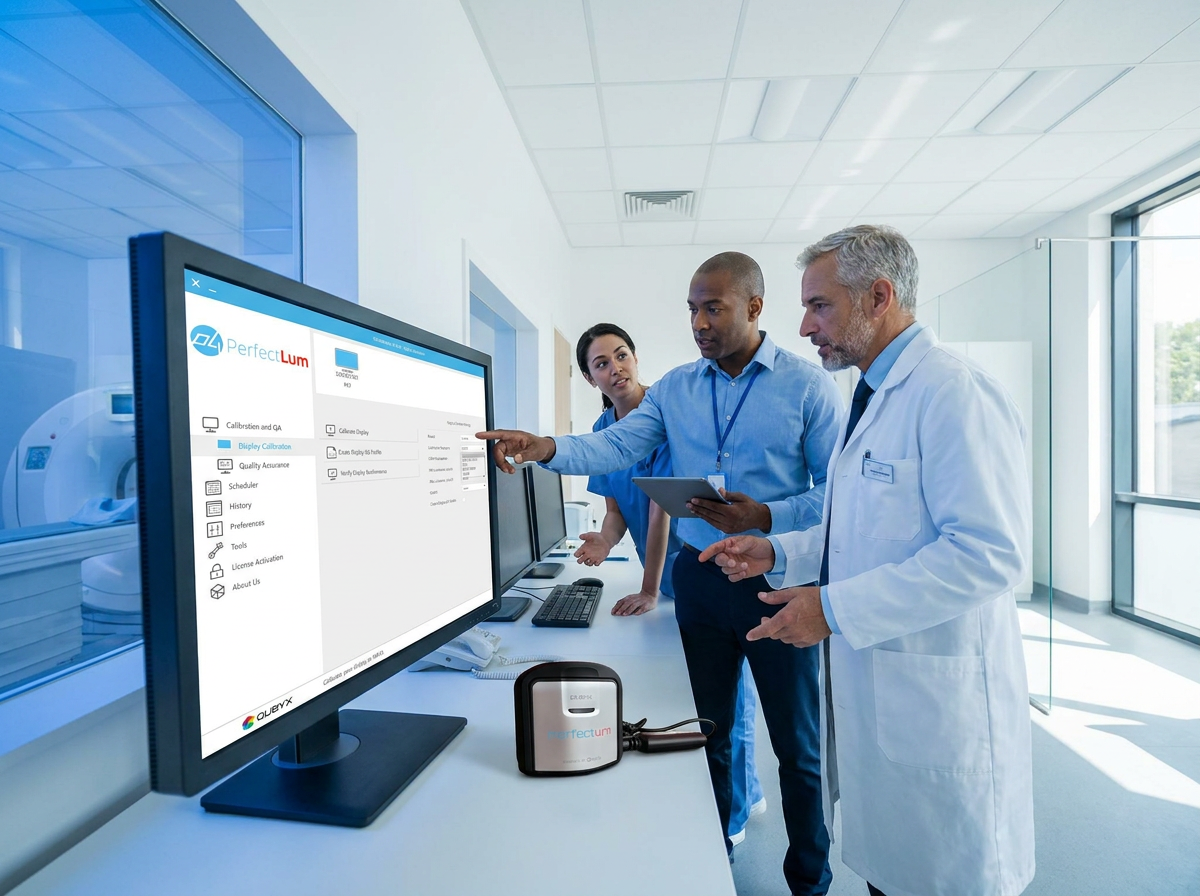
Combining the power of CIE L* calibration with DICOM GSDF compliance boosts image consistency. This partnership enhances both grayscale and color accuracy, vital for critical diagnostics.
Grayscale and Color Calibration
Grayscale calibration aligns display performance with DICOM GSDF, ensuring accurate gray levels. Meanwhile, color calibration refines color display capabilities.
-
Grayscale Calibration: Matches gray levels to set standards.
-
Color Calibration: Enhances color display for true-to-life images.
These calibrations work together, enhancing the clarity of every image. Discover more about color consistency in medical imaging.
Achieving GSDF Compliance
Achieving GSDF compliance means your display meets medical standards, which is crucial for accurate diagnostics. This compliance reassures you about the data’s reliability.
-
GSDF Compliance: Meets strict medical imaging standards.
-
Outcome: Reliable and consistent image quality.
Stay ahead in providing top-notch diagnostics with displays that comply with international standards. For further insights, explore this white paper on color visualization.
PerfectLum 4 in Action
PerfectLum 4 brings all these elements together, offering a seamless solution for your radiology needs. It ensures your displays are always ready for accurate diagnostics.
Features for Radiology Monitors
PerfectLum 4 offers tailored solutions for radiology monitors. Its features are designed to enhance imaging precision.
-
Key Features:
-
Supports both Mac and Windows.
-
Includes ambient light compensation.
-
Offers remote quality assurance.
-
These features make it a top choice for medical facilities. PerfectLum 4’s compatibility with various systems simplifies integration across devices.
Benefits for Quality Assurance
Beyond features, PerfectLum 4 provides significant benefits for your quality assurance processes. It keeps everything running smoothly and efficiently.
-
Quality Assurance Benefits:
-
Enables audit-ready reports.
-
Simplifies calibration scheduling.
-
Enhances display conformance testing.
-
With PerfectLum 4, you’re backed by a robust tool that ensures compliance and precision. The longer you wait to upgrade, the longer your facility might miss out on these advantages. Embrace the future of diagnostic imaging with confidence.
Learn more about achieving flawless luminance calibration for diagnostic displays.