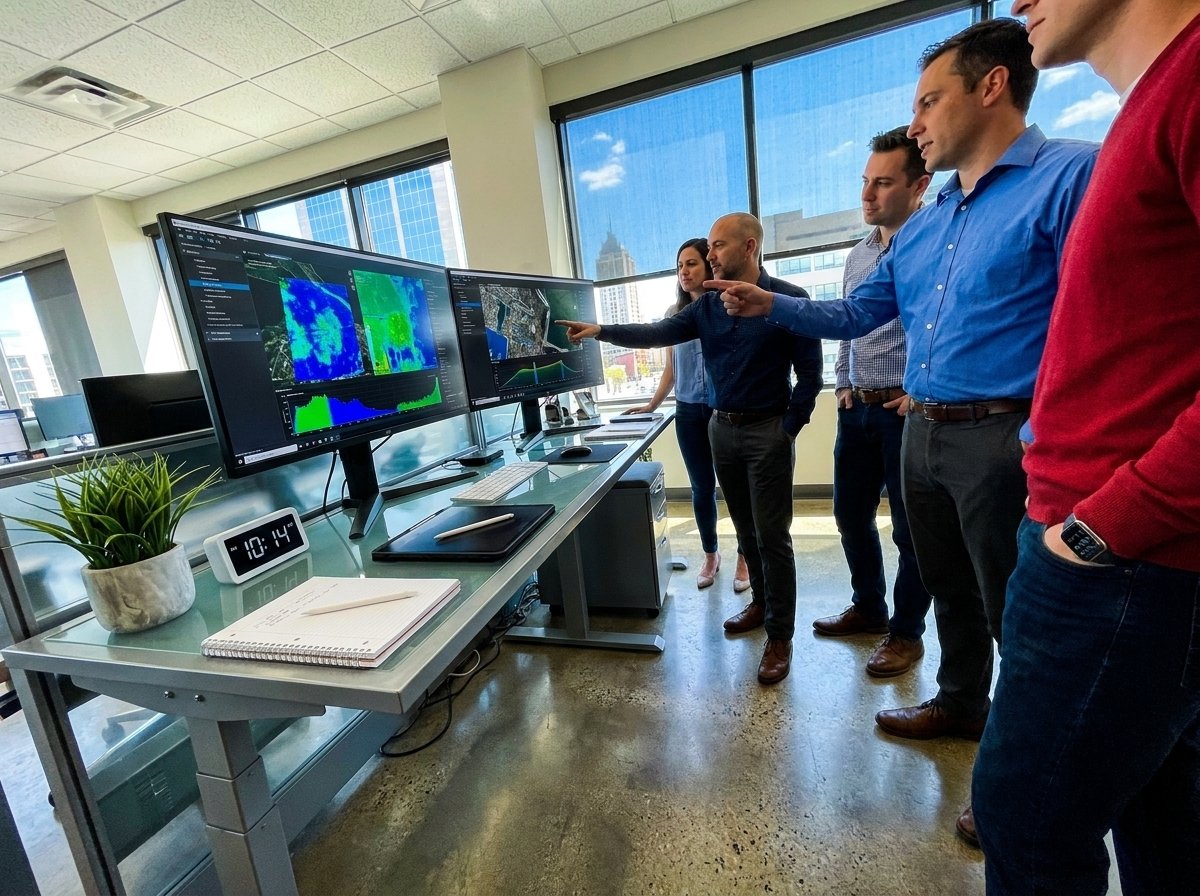

You rely on subtle color differences in H&E staining to make critical diagnoses every day. Yet, if your pathology monitors don’t maintain consistent perceptual lightness, those subtle variations can become harder to distinguish. This blog explains why CIE L* and precise display luminance response are essential for accurate digital pathology, and how PerfectLum 4 with Remote QA supports your calibration needs to meet AAPM, DIN, and ACR standards confidently. For more insights, visit this article.
Understanding CIE L* in Digital Pathology

CIE L* is a key player in digital pathology. It helps you see the subtle differences in stain colors. Let’s explore why this matters so much to your work.
Role of Perceptual Lightness
Perceptual lightness affects how you see color differences on your screen. It ensures that what you see is accurate. Imagine you’re reading a critical biopsy slide. If the lightness is off, vital details could be missed. CIE L* helps maintain this lightness, ensuring every shade is visible. But how does it work? It aligns light and color in ways our eyes naturally perceive them. This accuracy is crucial for diagnosing conditions effectively.
Differentiating Subtle Stain Variations
Being able to distinguish between subtle stain differences is critical. A minor shift in color could mean a significant change in diagnosis. In H&E staining, color accuracy is non-negotiable. By leveraging CIE L*, you ensure that these differences aren’t lost in translation. Consider the implications. A misdiagnosis due to color inaccuracies can lead to incorrect treatments. Thus, precise color calibration is not just technical; it’s lifesaving.
Luminance Response and Observer Variability
Luminance response ties directly to how you perceive images on your monitor. It dictates how bright or dim an image appears. If this isn’t calibrated, two observers might see the same slide differently. This variability can lead to inconsistent diagnoses. CIE L* minimizes these discrepancies by standardizing luminance. Therefore, ensuring a consistent viewing experience across different settings and displays.
Standards and Compliance in Pathology Imaging

Adhering to standards is essential for maintaining quality in pathology imaging. Let’s discuss how key guidelines ensure your displays meet necessary benchmarks.
Importance of DICOM GSDF Calibration
DICOM GSDF calibration ensures that your medical displays perform optimally. It aligns the grayscale display function with standards recognized globally. When displays meet DICOM standards, you can trust the consistency of imaging across different devices. This reliability is crucial for making accurate diagnoses. It’s not just about meeting requirements but ensuring patient safety through precision.
AAPM TG18, DIN 6868-157, ACR Guidelines
Different guidelines like AAPM TG18, DIN 6868-157, and ACR set the bar for quality. They provide a framework ensuring that your displays deliver consistent results. For instance, AAPM TG18 focuses on performance testing for medical displays. Meeting these standards means your displays are up to par with industry requirements. More than compliance, it assures you of the tools’ reliability in life-critical diagnostics.
Remote Quality Assurance and Display Validation
Remote quality assurance allows you to manage display performance without being on-site. With tools like Remote QA, you can schedule tests and receive alerts. This flexibility means less downtime and more focus on patient care. Remote QA ensures that quality checks are consistent and timely, even across multiple locations. This proactive approach to validation maintains the integrity of diagnostic processes.
Enhancing Diagnostic Accuracy with PerfectLum 4
PerfectLum 4 takes display calibration to the next level. Let’s see how it supports your diagnostic practice.
Achieving Pathology Monitor Calibration
PerfectLum 4 offers precise calibration, aligning your displays with stringent standards. It goes beyond basic setups, ensuring that every pixel on your screen reflects true color. Calibration with PerfectLum 4 means you can confidently rely on your displays for accurate readings. This precision supports all facets of diagnosis, making your job easier and more reliable.
Ensuring Color Consistency in Diagnostics
Color consistency is vital for diagnostics. With PerfectLum 4, you maintain uniformity across all displays. This software ensures that no matter the device, each one shows identical results. This level of consistency reduces errors and supports better collaboration among medical teams. It’s not just an upgrade; it’s a necessity for modern pathology practices.
Benefits of PerfectLum 4 and Remote QA
PerfectLum 4 coupled with Remote QA offers a comprehensive solution. It combines seamless calibration with advanced remote management. This duo ensures that your displays are always compliant and performing at their best. The benefits go beyond technical specs. It’s about elevating your practice to meet the highest standards. With this setup, you gain peace of mind knowing your diagnostics are as accurate as possible.
By integrating these solutions, you’re investing in quality and reliability. The longer you wait, the more you risk inaccuracies. Prioritize your diagnostics today with PerfectLum 4.
Explore how precise calibration enhances diagnostic confidence with Qubyx.