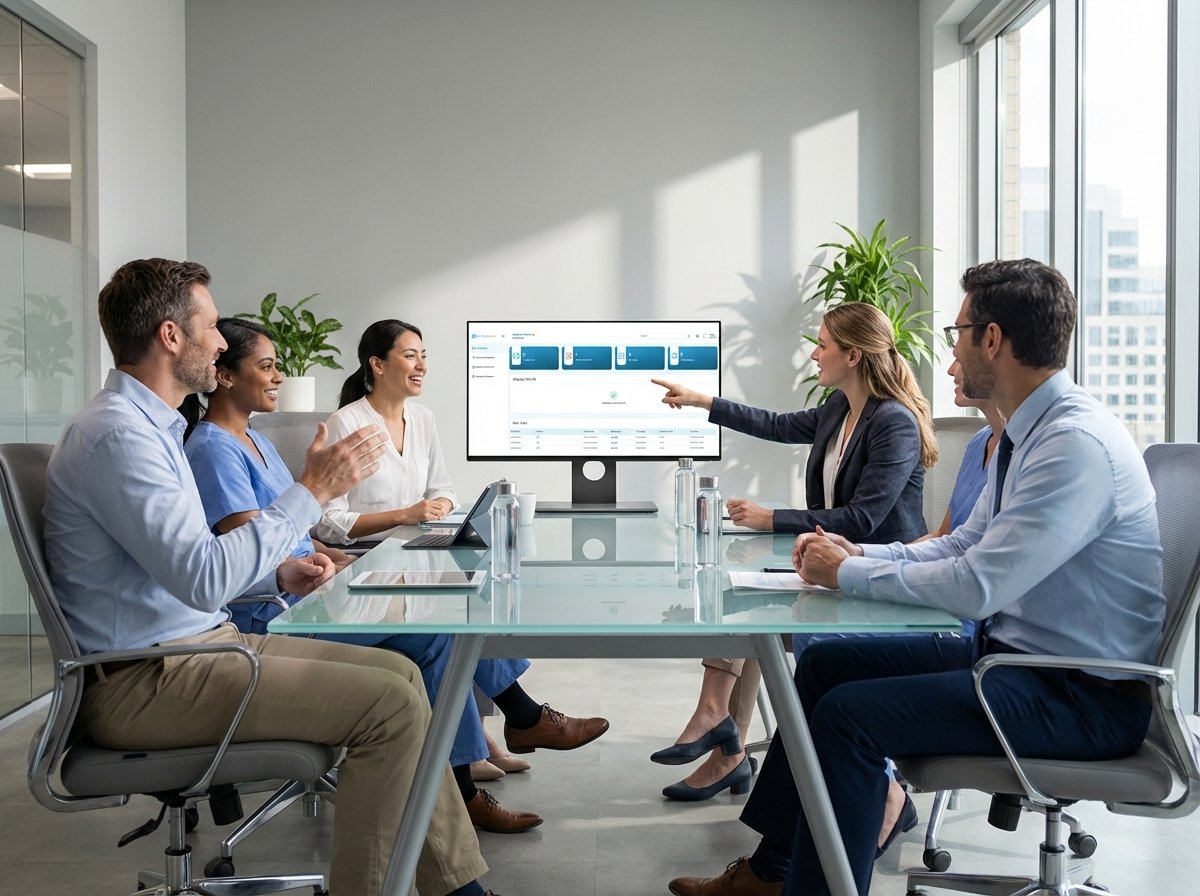
How Centralized Display QA Ensures Consistency Across Teleradiology Networks
Centralized display QA is no longer optional for teleradiology networks—it’s essential. When your diagnostic workstations span multiple sites, inconsistent calibration risks misinterpretation and delays. This post explains how PerfectLum 4 paired with the Remote Quality Assurance Server streamlines teleradiology quality assurance, ensuring every display meets DICOM calibration software standards for reliable, uniform image presentation. Learn more about how teleradiology quality assurance is transforming medical imaging.
Importance of Centralized Display QA
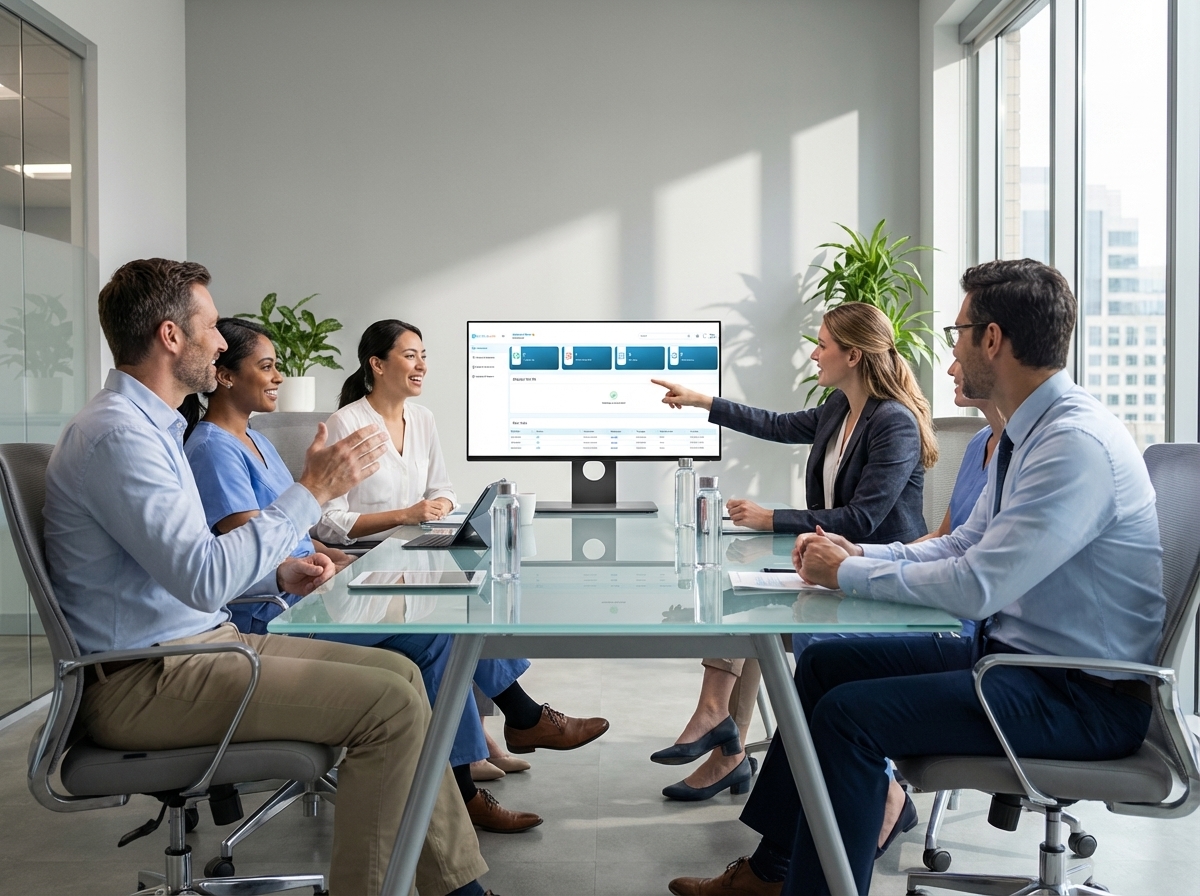
Centralized display QA plays a critical role in maintaining diagnostic consistency across teleradiology networks. Let’s explore why this consistency is so vital and how standards-driven QA can help.
Ensuring Diagnostic Consistency
When you rely on multiple workstations, consistent display quality is essential. Imagine reading an X-ray at one site, only to find that the same image looks different elsewhere. This inconsistency leads to misinterpretations. By using a centralized approach, you ensure that all displays align, providing reliable results no matter where the diagnosis occurs.
A key tool in this process is compliance with DICOM standards. These standards ensure that each monitor presents images accurately. With the right tools, maintaining these standards becomes a seamless process, reducing the risk of errors. Learn more about centralized QA management for multisite imaging.
Benefits of Standards-Driven QA
Adhering to recognized standards not only ensures consistency but also enhances trust. When doctors know that their tools meet established benchmarks, they can make confident decisions. This confidence is a direct result of robust quality assurance protocols like GSDF compliance.
Moreover, standards-driven QA promotes efficiency. It streamlines processes, leading to quicker diagnostics. This is crucial in environments where time is of the essence. By maintaining strict standards, you reduce unnecessary delays.
Overcoming Multi-Site Challenges
Operating across multiple sites introduces challenges. How do you ensure each location maintains the same standards? Centralized QA offers an effective solution. By linking all displays to a central system, you can monitor and adjust settings remotely.
Centralized systems also enable easier compliance audits. With everything connected, generating audit logs becomes straightforward, saving time and resources. No longer do you need to check each site manually. Instead, a comprehensive overview is always at your fingertips. Read about how teleradiology QA works and what hospitals should know.
PerfectLum 4 and Remote QA Server
PerfectLum 4 and the Remote QA Server offer innovative solutions to these challenges. Let’s dive into their key features, simplifying calibration and enhancing uptime.
Key Features for Compliance
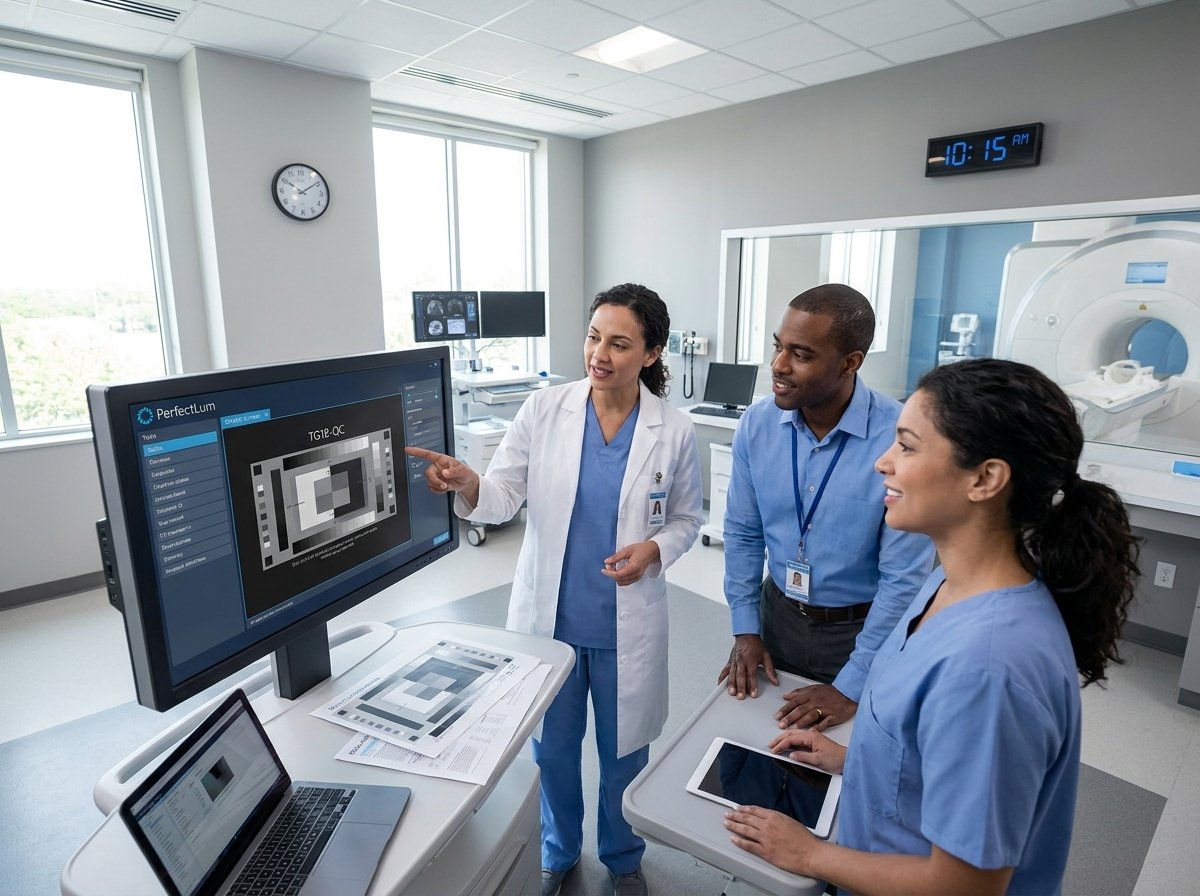
PerfectLum 4 ensures that every display meets compliance standards such as AAPM TG18 and DIN 6868-157. With this software, you gain access to advanced calibration tools that simplify meeting these requirements.
One standout feature is the ability to manage displays remotely. This means that no matter where your sites are located, you can ensure every monitor is up to standard. This remote capability not only saves time but also ensures consistency across locations.
Simplifying Calibration Across Networks
Calibration often seems like a daunting task, especially when managing multiple sites. PerfectLum 4 simplifies this process. The software offers automated scheduling of calibrations, so you never miss a check-up.
Automatic notifications provide reminders for upcoming calibrations and alert you to any issues. This proactive approach ensures your displays always operate at peak performance. With automation, you reduce the manual workload, allowing your team to focus on what’s most important.
Enhancing Uptime and Image Presentation
Downtime can seriously impact diagnostic capabilities. PerfectLum 4 focuses on enhancing uptime by ensuring displays run smoothly. Regular checks and balances mean you’re less likely to encounter unexpected issues.
Moreover, the software improves image presentation. By maintaining precise calibration, you ensure that images appear as intended, with accurate colors and clarity. This precision supports better diagnostics and patient outcomes.
In conclusion, centralized display QA is vital for maintaining consistency and reliability in teleradiology networks. With tools like PerfectLum 4 and Remote QA Server, you achieve compliance, streamline processes, and enhance diagnostic capabilities. To explore more about the benefits of centralized QA, check out this complete guide to teleradiology display accuracy.