

Building a Defensible Medical Display QA Program for Multi-Site Radiology: A Practical Blueprint
This guide details building a standardized, multi-site radiology medical display QA program using PerfectLum and Remote Quality Assurance Server for compliance with AAPM, DIN, and ACR standards, enabling centralized management, automated calibration, audit-ready reporting, and consistent imaging quality.
Building a Defensible Medical Display QA Program for Multi-Site Radiology: A Practical Blueprint
Managing medical display QA across multiple radiology sites can quickly become overwhelming without a clear, standardized program. You’re tasked with meeting AAPM, DIN, and ACR requirements while juggling workflows and governance that span locations. This guide breaks down how to build a defensible quality assurance program using PerfectLum software and the Remote Quality Assurance Server, making remote quality assurance manageable and audit-ready. Learn more about the compliance documentation best practices for imaging centers.
Establishing a Comprehensive QA Program

Creating a QA program involves more than just ticking boxes. It means setting a solid foundation for consistent performance across all your radiology sites. This starts with understanding and mapping regulatory requirements to industry standards.
Mapping Requirements to Standards
You can’t ignore the importance of aligning with standards like AAPM, DIN, and ACR. Each plays a critical role in ensuring the quality and safety of medical imaging. Begin by listing out all the essential criteria your displays need to meet. For instance, AAPM guidelines are crucial for ensuring radiological quality assurance. Check out this AAPM TG270 guide for detailed insights. Next, tailor these standards to suit your organization’s unique needs. Doing so not only helps in maintaining compliance but also enhances image quality, an essential aspect of medical diagnostics.
Governance and Workflow Definition
A well-defined workflow is key to a successful QA program. Spend time identifying who will oversee each process. It might be a radiologist or an IT specialist, but accountability is crucial. Set clear guidelines for each step, from calibration to report generation. This ensures everyone knows their responsibilities. It also paves the way for smoother operations and rapid problem resolution. Good governance means fewer surprises during audits, which is often the goal when managing compliance.
Centralized Management Across Sites
Centralized management can transform how you handle QA across multiple sites. Instead of juggling different systems, streamline your operations under one umbrella. This can be done using a Remote Quality Assurance Server. It allows you to manage tasks from a single location, reducing overhead and improving consistency. With centralized oversight, you can detect anomalies faster and ensure all sites adhere to the same high standards. This unified approach not only boosts efficiency but also makes your QA program more defensible during audits.
Implementing PerfectLum for Compliance
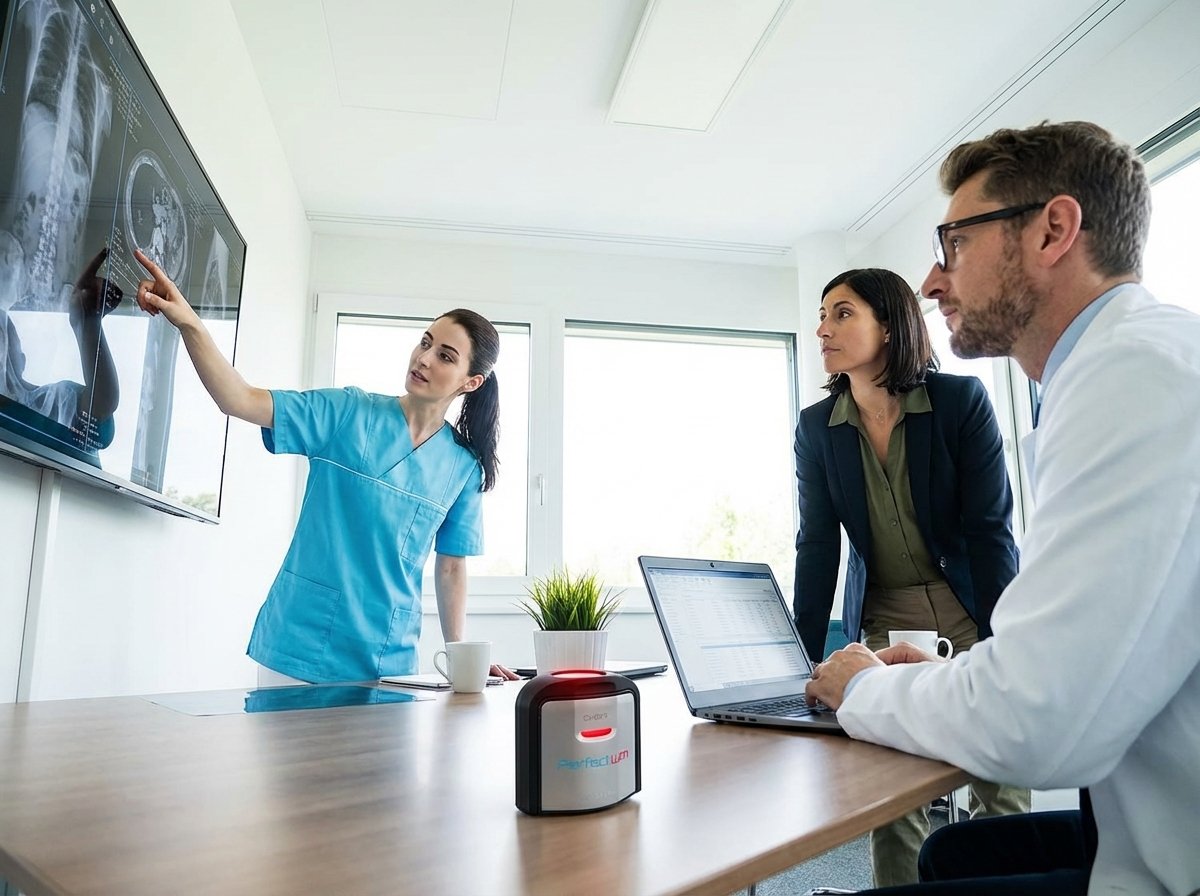
Once your groundwork is complete, it’s time to implement a solution that embraces these standards. PerfectLum offers tools that make compliance straightforward and cost-effective. Let’s explore how it can transform your QA program.
DICOM GSDF Calibration Essentials
Getting your displays to meet DICOM GSDF standards is not just about compliance. It’s about ensuring every image is clear and accurate. PerfectLum does this by calibrating your displays to the highest standards. It’s a process that involves adjusting brightness, contrast, and color to match the DICOM GSDF curve. This calibration ensures that radiologists see images as intended, reducing the risk of misdiagnosis. In a field where precision is paramount, this is invaluable.
Remote Quality Assurance Server Features
Imagine managing your entire display fleet from one dashboard. That’s what the Remote Quality Assurance Server offers. It allows you to schedule calibrations, monitor performance, and receive alerts, all in real time. This server can be hosted locally or through Qubyx, offering flexibility based on your needs. By centralizing these tasks, you can ensure all displays meet compliance standards consistently. It also frees up your team to focus on what they do best—providing excellent patient care.
Acceptance and Constancy Testing Automation
QA doesn’t stop at calibration. Regular testing is essential for maintaining standards over time. PerfectLum automates acceptance and constancy tests, streamlining what can be a cumbersome process. This automation means tests are scheduled and executed without manual intervention, ensuring consistency. Reports generated from these tests are audit-ready, which is crucial for maintaining accreditation. Automating these tasks not only saves time but also reduces human error, giving you peace of mind.
Ensuring Consistent and Defensible Results

Implementing technology is just one part of the equation. Ensuring those tools deliver consistent, defensible results is another. Here’s how you can make sure your QA program is rock solid.
Role of Colorimeters in Calibration
Colorimeters are vital in achieving accurate monitor calibration. They measure color accuracy and adjust displays to align with the necessary standards. Using a colorimeter ensures that what you see is true to life, which is essential for accurate diagnoses. It’s a simple device but plays a huge role in maintaining the integrity of medical imaging. By integrating colorimeters into your routine, you ensure each display remains consistent over time.
Generating Audit-Ready QA Reports
One of the most daunting tasks can be preparing for audits. With PerfectLum, you can generate reports that are ready for inspection at any time. These reports are comprehensive, covering every aspect of your QA processes. They document each calibration and test, providing a clear history of compliance. This transparency not only satisfies auditors but also reinforces trust in your QA program. It shows that you are proactive about maintaining the highest standards.
Scheduling and Managing Calibration Tasks
Effective scheduling is the backbone of any successful QA program. With PerfectLum, you can automate calibration tasks, ensuring they happen consistently. This means you no longer have to rely on manual reminders or risk missing critical updates. Managing these tasks is straightforward, thanks to centralized software that allows you to view and adjust schedules with ease. By keeping your calibration tasks on track, you ensure your displays always perform at their best, which is crucial for patient safety.
Conclusion
Setting up a defensible QA program across multiple radiology sites doesn’t have to be overwhelming. With the right tools and strategies, you can ensure compliance, improve efficiency, and maintain high standards in medical imaging. PerfectLum and its suite of features provide a solid foundation for achieving these goals. Implement these practices and technologies to support your team and enhance patient care through superior imaging quality.
QUBYX editorial archive.
