

Beyond One-and-Done: Why Radiology Needs Continuous Display Verification, Not Just Calibration
Radiology displays drift in luminance and grayscale between calibrations, risking diagnostics. Continuous verification per AAPM/DIN standards ensures consistent quality. PerfectLum enables remote, real-time QA and compliance reporting.
Beyond One-and-Done: Why Radiology Needs Continuous Display Verification, Not Just Calibration
One-time medical display calibration no longer guarantees consistent image quality in radiology. Your displays can drift in luminance and grayscale response between calibrations, risking diagnostic accuracy and compliance. Continuous display verification, aligned with AAPM TG18 and DIN 6868-157 standards, keeps your monitors within strict limits and tracks ambient light changes in real time. In this post, you’ll learn why ongoing constancy testing matters and how PerfectLum simplifies enterprise-wide QA with remote quality assurance and audit-ready reporting. For more insights, visit this resource.
The Need for Continuous Verification
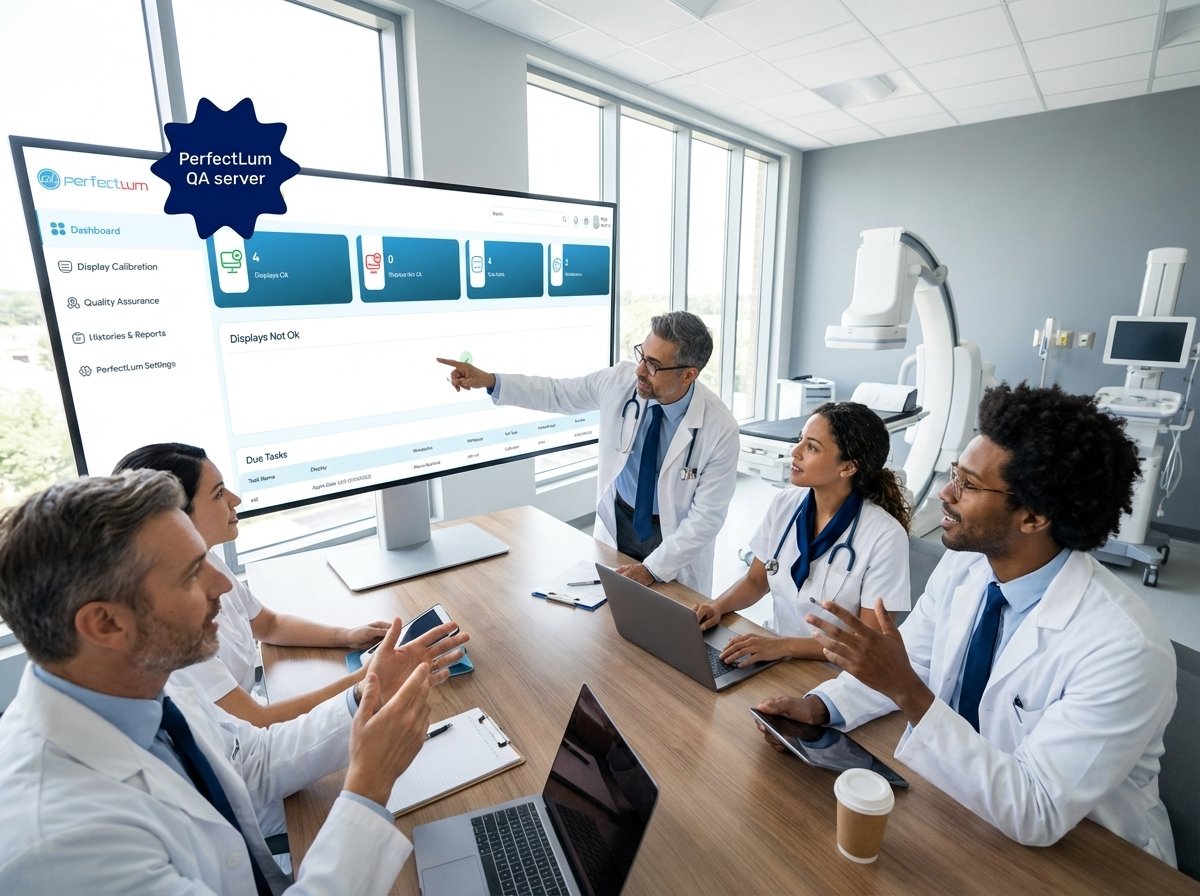
In the world of radiology, ensuring your display’s accuracy is crucial. Let’s explore why one-time calibration isn’t enough.
Limitations of One-time Calibration
Have you ever wondered if your current calibration is enough? One-time fixes might seem convenient, but they fall short. Displays can drift over time, causing inconsistencies in image quality. This drift leads to inaccuracies in diagnosis. Consider the display’s luminance response: it can change, affecting how you perceive grayscale images. And it’s not just about the display itself. Ambient light also plays a role, impacting how images are viewed. Did you know? Studies show that luminance can drift by 10-20% between calibrations, which is a significant risk. This article dives deeper into the science behind these changes.
Defining Continuous Display Verification
So, what exactly is continuous display verification? It’s a process where your display’s performance is regularly checked against medical standards like DICOM GSDF. This ongoing monitoring ensures that any drift in color or brightness is quickly corrected. Unlike one-time calibration, continuous verification adapts to changes in real-time, maintaining quality and compliance. Picture this as a constant watch that keeps your displays in top shape. With continuous verification, you’re not just reacting to issues, you’re preventing them.
Standards and Compliance in Radiology
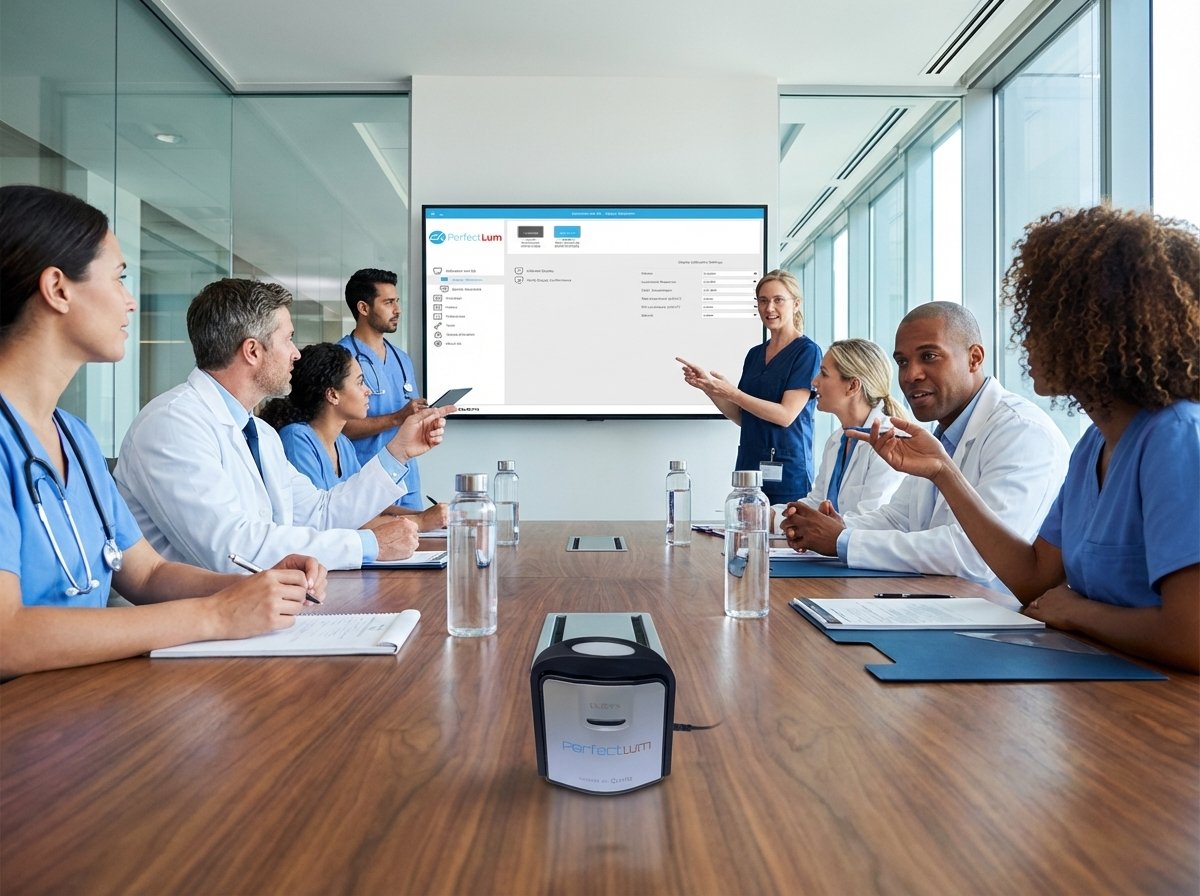
Compliance isn’t just a buzzword; it’s essential for quality assurance. Let’s delve into how standards guide our practices.
Constancy Testing per AAPM/DIN/ACR
Constancy testing ensures that displays meet recognized standards, such as those set by AAPM, DIN, and ACR. These tests are not just formalities; they’re crucial for reliable image interpretation. The goal is to uphold a consistent luminance response and grayscale standard display function. Imagine your display maintaining the same quality day after day, without surprises. This consistency is what leads to accurate diagnoses. In this article, you can learn more about why consistency in calibration is paramount.
Addressing Luminance and Ambient Light
Luminance and ambient light are two critical factors in display performance. Luminance should remain stable to ensure that images are seen as intended. But ambient light can alter how those images appear. That’s why measuring and adjusting for ambient light is vital. By controlling these elements, you create an environment where images are clear and reliable. A recent study highlights that proper ambient light control can improve image visibility by up to 30%.
PerfectLum’s Role in Quality Assurance
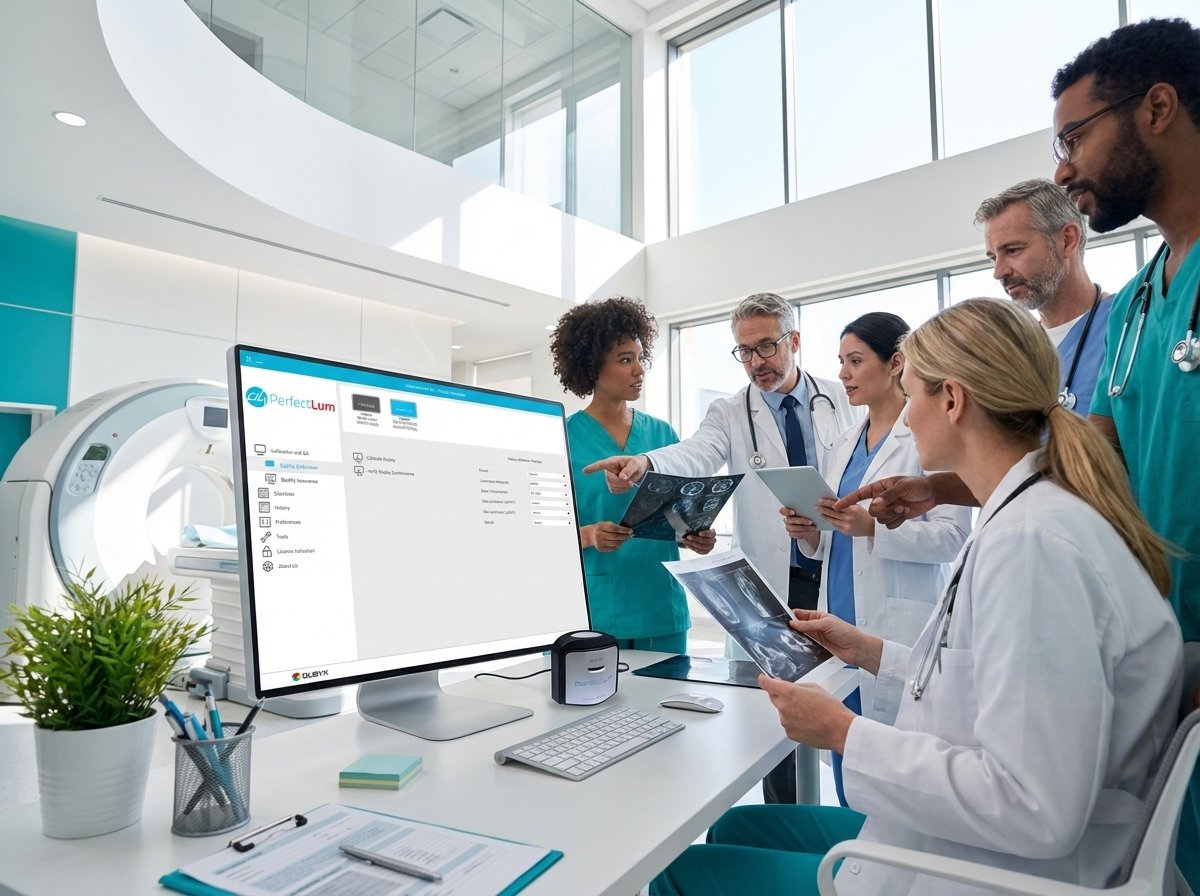
When it comes to quality assurance, PerfectLum stands out. Here’s how it supports the medical community.
Features of PerfectLum 4
PerfectLum 4 offers a robust set of features tailored to meet the needs of radiology professionals. First, it ensures displays are calibrated to DICOM standards, enhancing color accuracy. Second, it supports both Mac and Windows systems, making it versatile for any setup. The software also provides detailed compliance reporting, so you know your displays meet industry standards. Plus, with its remote management capabilities, you can monitor multiple displays from one centralized location. All these features work together to deliver peace of mind. Explore more about the benefits of PerfectLum.
Benefits of Remote Quality Assurance
Remote quality assurance is more than a convenience; it’s a necessity for modern facilities. With PerfectLum, you get real-time insights into your display’s performance. This means issues can be addressed before they affect diagnostic accuracy. Remote management also simplifies the process of maintaining compliance across multiple locations. By centralizing control, you ensure that every display operates at its best, no matter where it’s located. As a result, you save time and resources while enhancing the quality of care. The longer you wait to implement such solutions, the more you risk non-compliance and inaccuracies. Embrace the future of display management with PerfectLum.
QUBYX editorial archive.
